

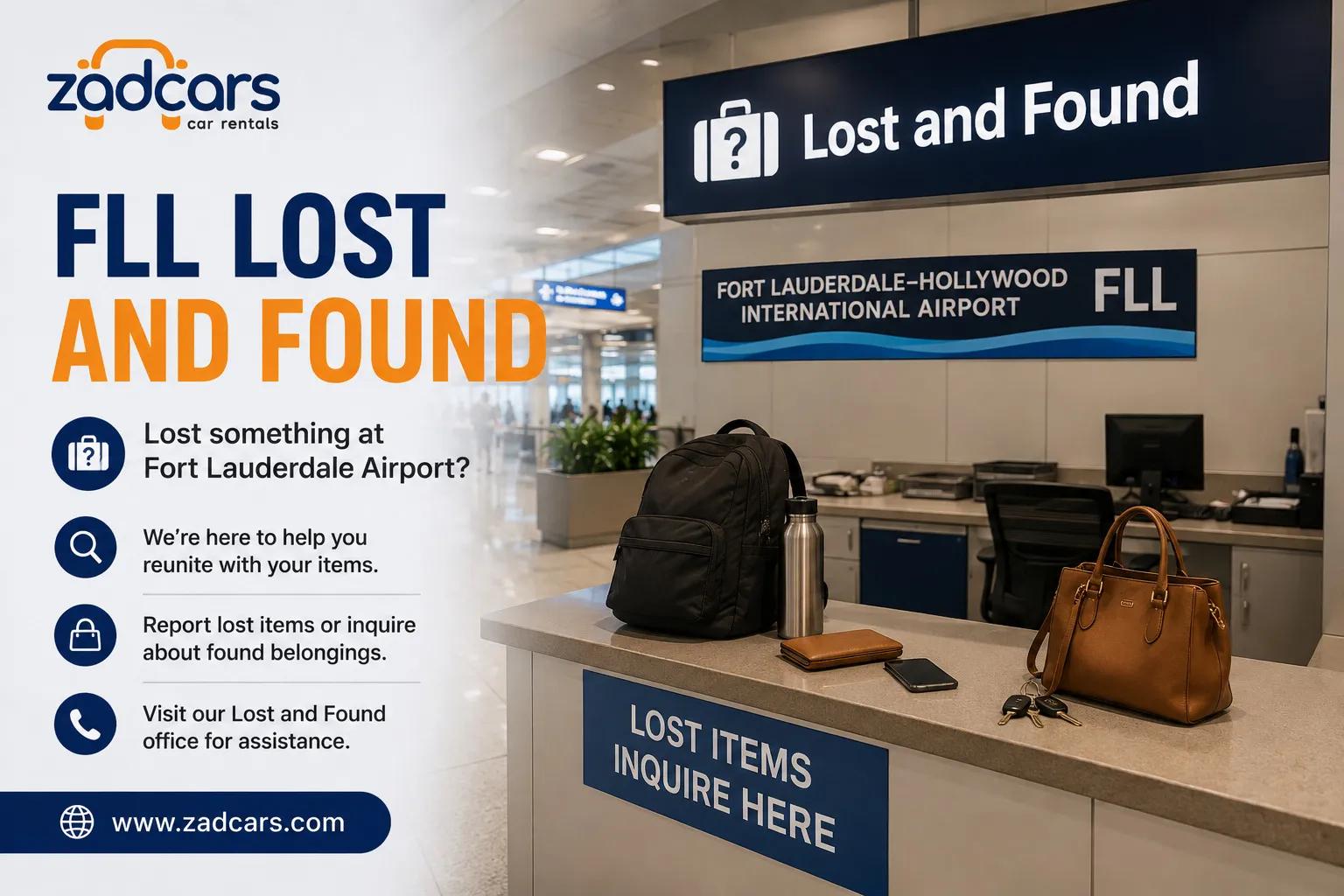
Misplacing a phone, wallet, passport, laptop, or piece of luggage at an airport can create an immediate problem. With security checks, boarding announcements, baggage areas, restaurants, and transportation zones all competing for attention, it is surprisingly easy to leave something behind.
For passengers at Fort Lauderdale-Hollywood International Airport, understanding the FLL Lost and Found process can make the situation easier to handle. The key is not simply reporting a missing item but identifying where it was most likely lost and contacting the right organization.
An airport has several independent services operating under one roof. As a result, an item left at a security checkpoint may follow a different recovery process from something forgotten on an aircraft or inside a rental vehicle. Knowing this difference can save valuable time.
How Does the FLL Lost and Found Process Work?
The FLL Lost and Found process generally starts by determining the location where the property was last seen. This is important because different airport-related organizations may handle belongings found in different areas.
For example, passengers may need to contact:
TSA for items left during security screening.
The airline for belongings forgotten inside an aircraft.
The rental company for items left inside a rental vehicle.
Airport-related lost-property services for belongings left in certain public areas.
Parking or transportation services for items misplaced in those facilities.
Before reporting the loss, it helps to reconstruct the final part of the journey. Think about where the item was last used, where it was placed, and which areas were visited afterward.
A precise location can often be more useful than a general statement that something was lost "at the airport."
What Details Should Be Included in a Lost Item Report?
A clear description gives staff a better chance of identifying the correct item. Airports deal with hundreds of similar belongings, so distinctive details matter.
A useful report should include:
Description: Explain exactly what is missing.
Brand and model: Mention the manufacturer and model where applicable.
Color: Include the primary color and any secondary details.
Distinctive features: Note stickers, scratches, cases, tags, or markings.
Location: State the terminal, gate, checkpoint, restaurant, or other area.
Time: Give the approximate time when the item was last seen.
Travel details: Include flight number, airline, and date when relevant.
For electronic devices, serial numbers can provide an especially strong identifier. For luggage, baggage-tag information can also help distinguish one suitcase from another.
The more specific the description, the easier it becomes to compare a missing item with recovered property.
Where Do Passengers Commonly Lose Belongings at FLL?
Busy airports create plenty of opportunities for belongings to be forgotten. Security checkpoints are one obvious location because travelers often remove phones, watches, electronics, and other possessions while preparing for screening.
Gate areas can also be problematic. Passengers may leave a phone charging beside a seat or place a small bag under a chair before boarding begins.
Other locations worth checking include:
Terminal seating areas
Restaurants and cafés
Restrooms
Charging stations
Baggage claim areas
Transportation pickup zones
Parking areas
Rental cars
Rental vehicles deserve particular attention. Items such as sunglasses, phones, wallets, and charging accessories can slide underneath seats or remain inside storage compartments.
When a rental vehicle has already been returned, contacting the rental company quickly can be more appropriate than immediately relying on general airport lost-property procedures.
What Should You Do Immediately After Losing an Item?
The first few minutes after noticing something is missing can be valuable. Start by checking personal bags, pockets, luggage compartments, and other places where the item could have been accidentally stored.
Next, retrace the most recent route. Consider the last place where the item was definitely seen and work forward from there.
If the item cannot be located, report it to the appropriate organization as soon as possible. Have the relevant travel information ready so the report can be completed accurately.
For sensitive belongings, additional steps may be necessary. Payment cards can be frozen, smartphones can be remotely locked, and important identity documents may require separate reporting.
Passengers arranging transportation after arriving at FLL can also review rental car options through ZadCars, particularly when continuing a road journey after the airport visit.
How Can Travelers Improve Their Chances of Getting Items Back?
No lost-and-found service can guarantee recovery, but preparation can make identification easier.
Travelers should keep useful information such as flight confirmations, rental agreements, baggage tags, and purchase receipts until the journey is complete. These records may contain details needed to verify ownership or reconstruct the travel route.
When reporting an item, mention unique characteristics rather than relying only on general descriptions. For example, a laptop with a specific sticker or a suitcase with a distinctive luggage strap is easier to identify than a generic black laptop or suitcase.
It is also important to protect private information. Passport numbers, payment-card details, passwords, and verification codes should never be posted publicly while searching for lost property.
If someone claims to have found an item and asks for unusual fees or sensitive account information, verify the request through an official channel before taking action.
Why Is Fast Reporting Important for FLL Lost and Found?
Airport environments change constantly. Passengers move between gates, cleaning teams service public areas, and staff may relocate belongings for security or safekeeping.
Because of this activity, reporting a missing item quickly can provide a clearer timeline for the search.
The FLL Lost and Found process works best when a report includes specific information about the item and its last known location. Even seemingly minor details can matter. A unique phone case, luggage sticker, keychain, scratch, or initials may help distinguish one belonging from another.
Quick action is especially important for valuable electronics and personal documents. In addition to reporting the item, security measures such as locking a device or canceling a payment card can reduce potential risks.
What If Something Was Forgotten in a Rental Car?
Rental vehicles are easy to overlook when checking for belongings. Passengers often focus on luggage in the trunk while smaller possessions remain in door pockets, cup holders, seat gaps, or center consoles.
If something was left inside a returned vehicle, contact the rental company and provide the rental agreement number, vehicle details, return location, rental dates, and a clear description of the missing property.
A quick vehicle inspection before returning the car can prevent many of these situations. Check under each seat, inside storage compartments, around the dashboard, and in the trunk.
For travelers using rental cars frequently, creating a simple "before return" checklist can be worthwhile. It takes little time and can prevent the inconvenience of trying to recover an item later.
FAQs
What is FLL Lost and Found?
FLL Lost and Found refers to the procedures for reporting and recovering belongings misplaced at or around Fort Lauderdale-Hollywood International Airport. The responsible organization depends on where the item was lost.
Where should an item lost at airport security be reported?
Items forgotten during security screening may need to be reported to TSA rather than a general airport lost-property service. The exact reporting process depends on the location and circumstances.
What information helps identify a lost suitcase?
A baggage tag number, airline, flight details, suitcase brand, color, size, distinctive markings, and any unique straps or stickers can help identify a missing suitcase.
What should be done if a rental car contains a forgotten item?
Contact the rental company promptly and provide the rental details and item description. The vehicle may need to be located before the property can be recovered.
Conclusion
Knowing what to do when something goes missing can make airport travel less stressful. The FLL Lost and Found process becomes easier when the last known location is identified, the correct organization is contacted, and a detailed description is provided.
Quick reporting, accurate travel records, and attention to privacy can also improve the overall recovery process. For travelers planning transportation after landing, ZadCars provides useful rental car information for airport and destination travel.